Online Harm Response Scorecard
How ready is your organisation when a child tells you about online harm?
A short, evidence-based assessment for schools, clubs and services. See where your response is strong, where it is thin, and what to prioritise next.
Free. Takes about 4 minutes.

Clarity about your safeguarding response, in minutes
Four levels of readiness, honestly assessed
Reactive Response
You respond when something happens, but it depends on who is in the room that day.
Partially Prepared
Some steps are in place, though gaps remain between policy and what staff actually do.
Process-Led but Clinically Thin
Solid processes exist, yet the response to online harm exposure lacks clinical depth.
Evidence-Ready
Concerns are recorded, findable, and defensible if you were asked for evidence tomorrow.
Three steps to a clearer picture
- 1
Answer 12 questions
Reflect on how your team records concerns, responds to disclosures, and evidences its work.
- 2
See your readiness level
Get placed on one of four levels, from reactive to evidence-ready, with no jargon.
- 3
Know what to prioritise
Receive clear next steps to strengthen your response over the coming six months.
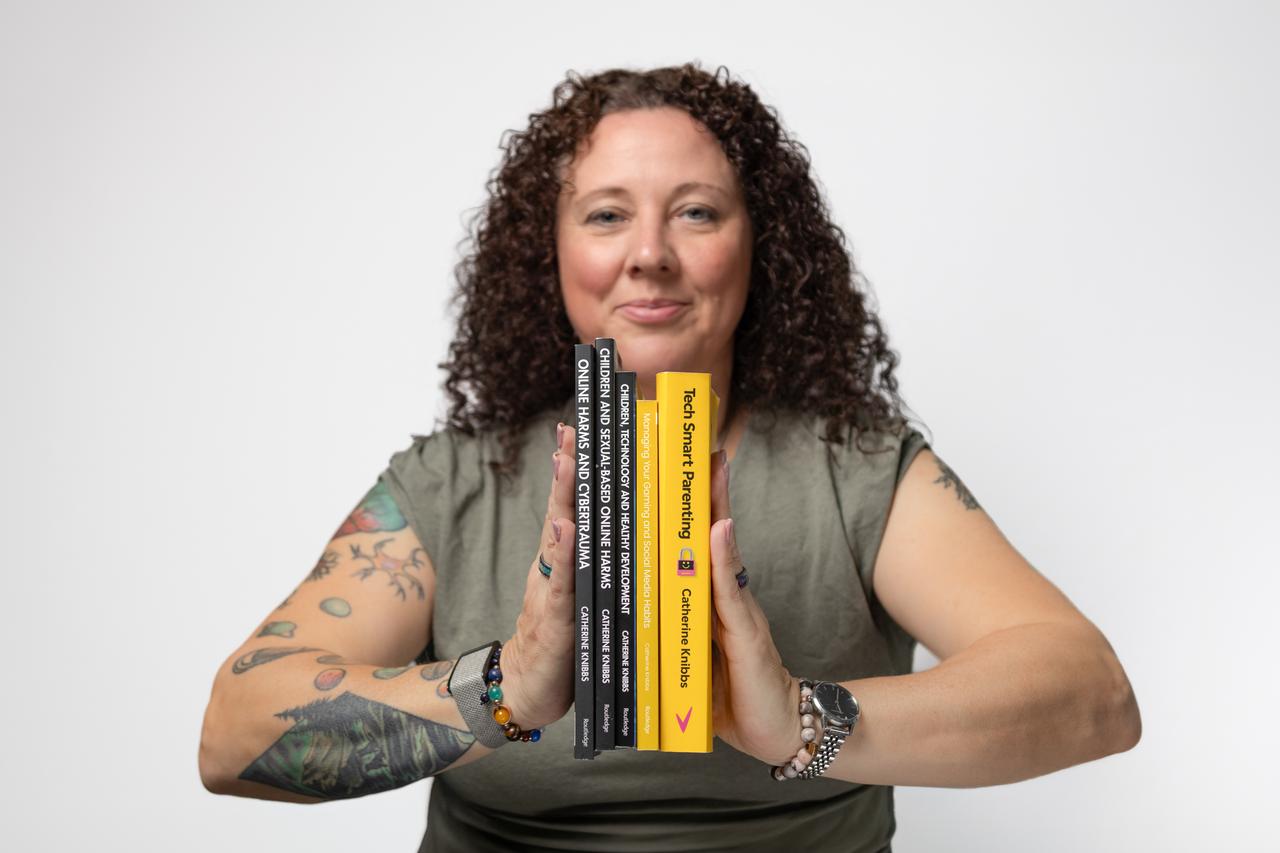
Created by Catherine Knibbs, a specialist in online harm and child trauma
Catherine Knibbs is a clinical and academic researcher, psychotherapist and internationally recognised specialist in online harm, cybertrauma and the impact of digital experiences on children and young people. Her work with organisations, clinicians and educators has shaped how frontline teams understand and respond to what children encounter online.
When a child tells you about something they saw online, the difference between a reactive and an evidence-ready response is preparation, not luck.
Questions you might have
Find out how ready your organisation really is
Twelve questions. Four minutes. A clear picture of your response to online harm.